702. Working Session: Your 30-Day Planned Giving Starter Plan - Pedro J. Rivera
Listen to this episode
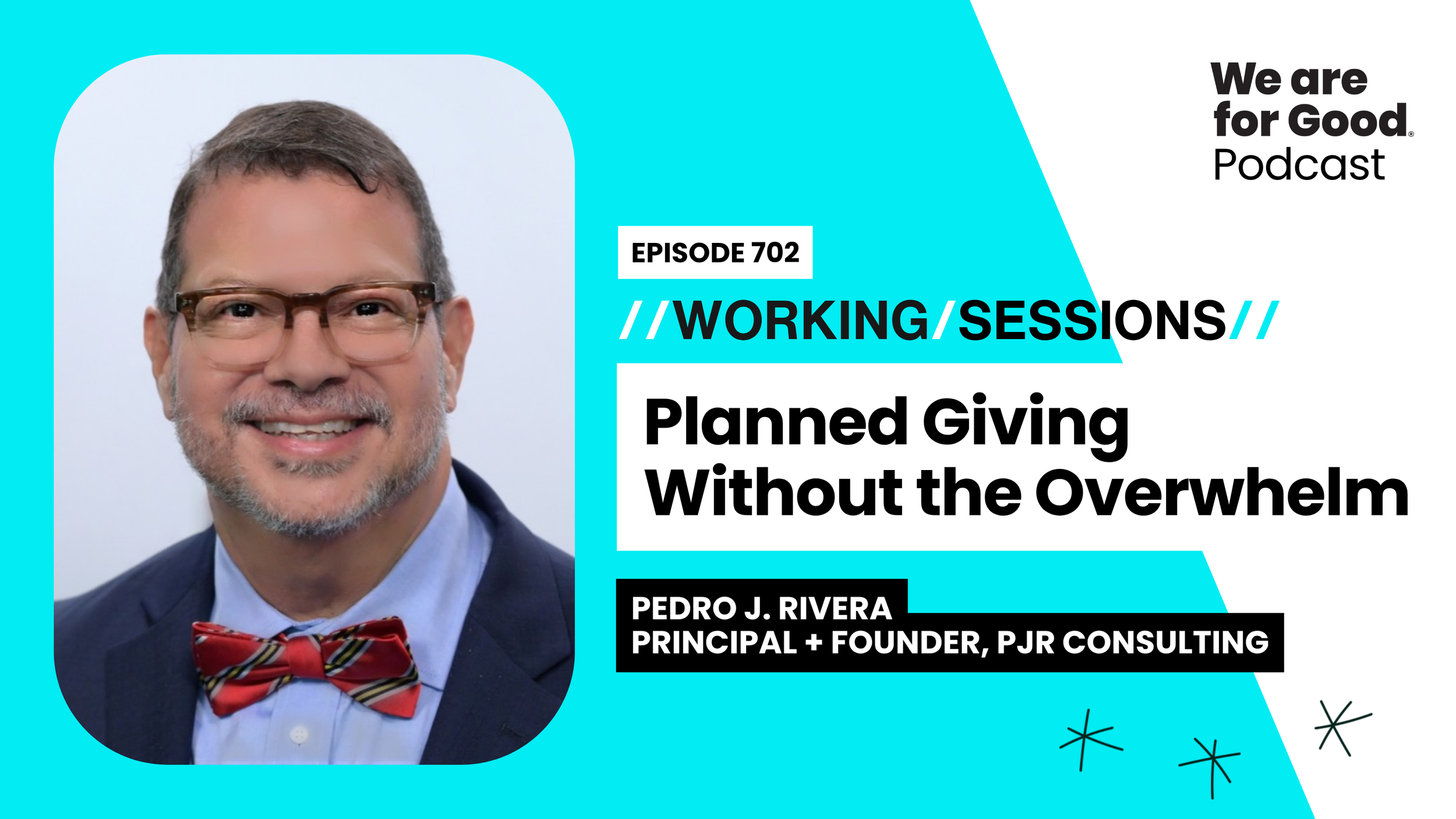
Meet Pedro J. Rivera 👋 In 30 years at the intersection of law, philanthropy, and fundraising, he has launched three planned giving programs and raised $150 million for nonprofits and universities. In this Working Session, he's here to give you a clear entry point into planned giving, no matter where you're starting from.
Episode Highlights:
What is planned giving, really? (0:21)
Why right now: The Great Wealth Transfer (3:18)
How to talk about legacy without making it weird (4:48)
Finding your best prospects: the 7-10 rule and more (5:50)
Weaving planned giving into what you're already doing (8:21)
The 30-day starter plan (12:05)
One Good Thing: stop assuming donors don't want to talk about this (14:07)
Episode Transcript
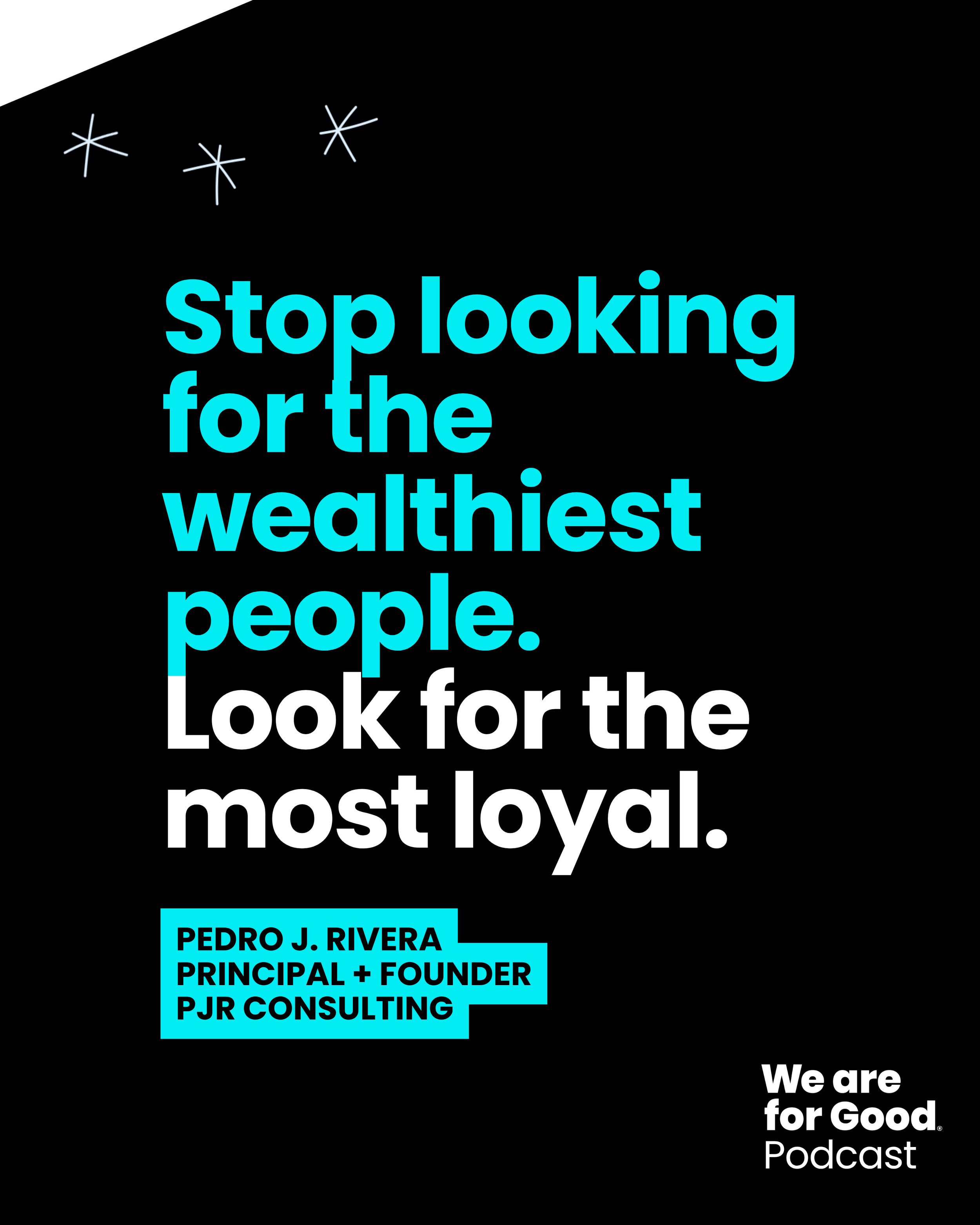
“Stop looking for the wealthiest people. Start looking for the most loyal.”
First: What Is Planned Giving, Really?
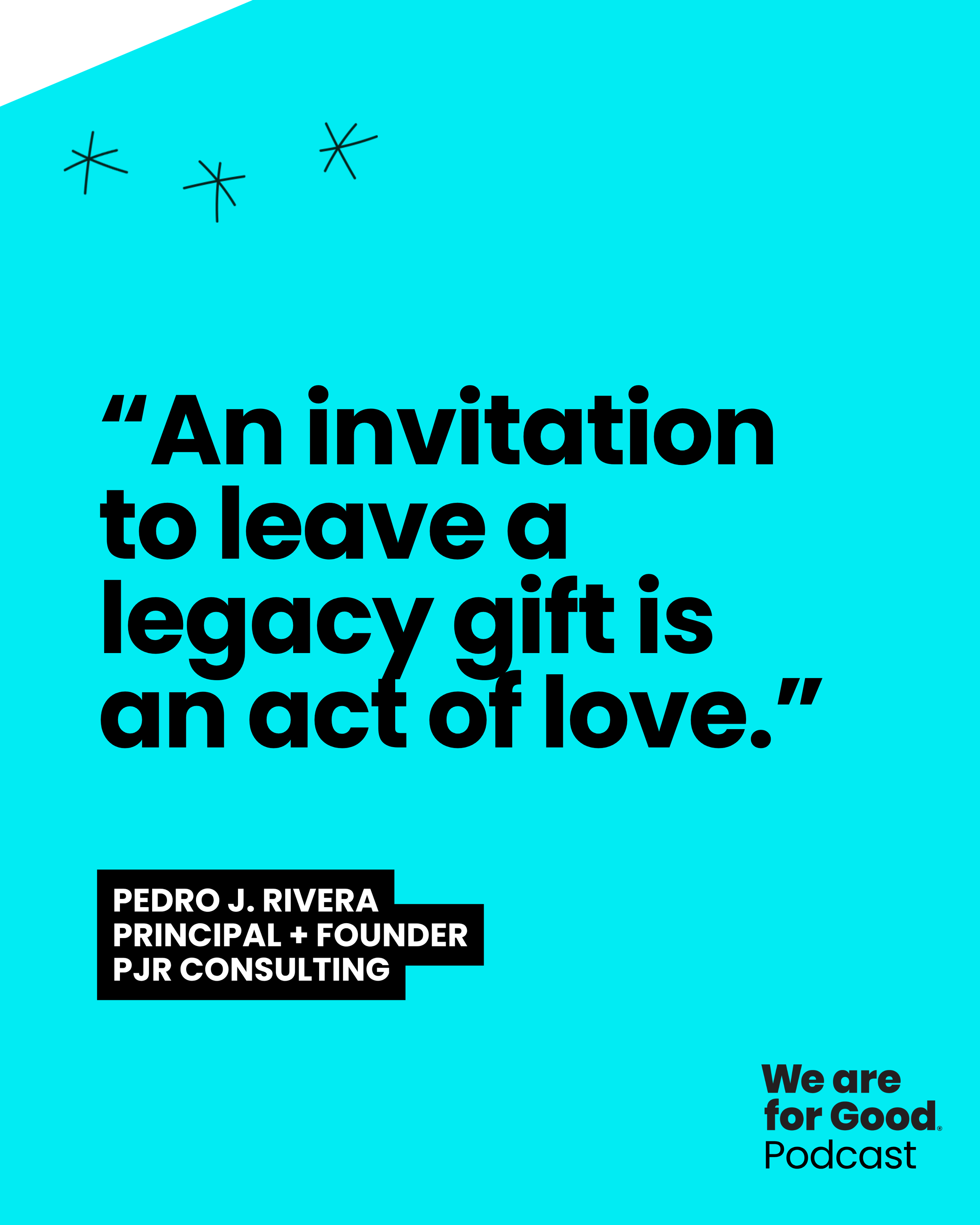
Planned giving is simply a gift made in the future. It's a donor saying, "I believe in this mission so much; I want to be part of it even after I'm gone.”
Most planned gifts are bequests: a gift left through a will, a retirement account, or a life insurance policy. It's not a gift from someone's monthly paycheck. It's a gift from their assets. And it's one of the simplest, highest-impact things a loyal donor can do for an organization they love.
Why Right Now: The Great Wealth Transfer
We're living through the largest wealth transfer in human history. As the baby boomer generation passes wealth down to the next generation and to charitable causes, an estimated $72 to $84 trillion will change hands in the United States by 2045.
How to Talk About Planned Giving Without Making It Weird
The biggest reason fundraisers avoid planned giving conversations? They project their own money baggage or death anxiety onto their donors. But here's the reframe: you're not talking about death. You're talking about legacy.
Pedro’s suggested language for loyal, long-term donors:
“You've been such a steady part of our family for the last 10, 20 years. I'm curious: what is it about this work that you want to see continue for the next generation? Have you ever considered naming us as a 1% beneficiary of your IRA or estate? It's one of the easiest ways to make a big impact without touching your current bank account.”
Who to Ask: Finding Your Best Planned Giving Prospects
Stop looking for your wealthiest donors. Start looking for your most loyal ones. Here are the identifiers Pedro uses, and you can find most of these in your CRM today:
The 7/10 Rule: Donors who've given 7 out of the last 10 years. Consistency is a far stronger predictor of a planned gift than net worth.
The Super Donor: A lapsed donor who gave $25 every year for 20 years and then stopped. They may have stopped because they're living on a fixed income. Their biggest gift may still be coming.
The No-Kids Factor: Donors without immediate heirs are statistically the most likely to leave a transformational gift to a nonprofit.
The Age Sweet Spot: Donors between 60 and 75 are often retired, finished paying for their children's education, and actively revising their wills. These life moments naturally prompt estate planning conversations.
Volunteers and Board Members: Anyone who's volunteered for five or more years has seen your work firsthand. Former board members already understand your long-term financial needs. These are people you should be talking to.
How to Weave It Into What You're Already Doing
You don't need to launch a whole new program to start planting seeds. Here's how to fold planned giving into communications you're already sending:
The PS Strategy: In every year-end appeal, add a PS: "Have you ever considered leaving a legacy gift to [organization]? Check the box on the back for more information." It lets donors self-identify without any pressure.
The Legacy Spot: In your newsletter, replace one text-heavy article with a three-sentence story of a donor who left a gift in their will and what it made possible. Name it something that fits your brand: "Our Pioneers," "Legacy Leaders," whatever resonates.
Your Website: Make sure your tax ID number is easy to find. Add sample bequest language (free templates are available online). Include planned giving on your Ways to Give page alongside IRA gifts, stock gifts, and donor-advised funds.
Your Email Signature: Add a simple line: "Consider leaving a legacy gift to [organization]." Pedro J Rivera did this throughout his career and it opened more conversations than almost anything else.
Your 30-Day Planned Giving Starter Plan
Days 1 to 10: Get Your Foundation in Order
Draft and pass a gift acceptance policy. Review the types of gifts your organization can accept, including planned gifts such as real estate and cryptocurrency. If you already have one, make sure it covers these. This is the infrastructure that makes everything else possible.
Days 11 to 20: Know Who You're Talking To
Run a loyalty report. Pull 20 to 30 donors who've been giving to your organization for a decade or more. These are your best prospects.
Create a legacy society. Give your planned giving donors a name and a home. People want to belong to something. A legacy society is a simple, meaningful way to honor the donors who've already made this commitment and signal to others that it's an option.
Days 21 to 30: Pick Up the Phone
Call those 20 to 30 people. 📲 Say thank you. Ask them why they've stayed. Don't ask for money yet. Just listen for legacy cues.
Then consider sending a donor insight survey: 10 to 12 questions, electronic or by mail, that asks about their connection to the mission and includes questions about legacy giving. Pedro sent one at an organization where he was relaunching a planned giving program and discovered 13 donors had already named the organization in their wills, gifts the organization didn't even know about.
Connect with Pedro
Connect with Jon
Connect with Becky
Come be part of the We Are For Good Community—totally free.
Join fellow changemakers, share takeaways from this working session, and keep collaborating in a space built for connection, inspiration, and real impact: www.weareforgoodcommunity.com
Say hi👇
LinkedIn / Instagram / Facebook / YouTube