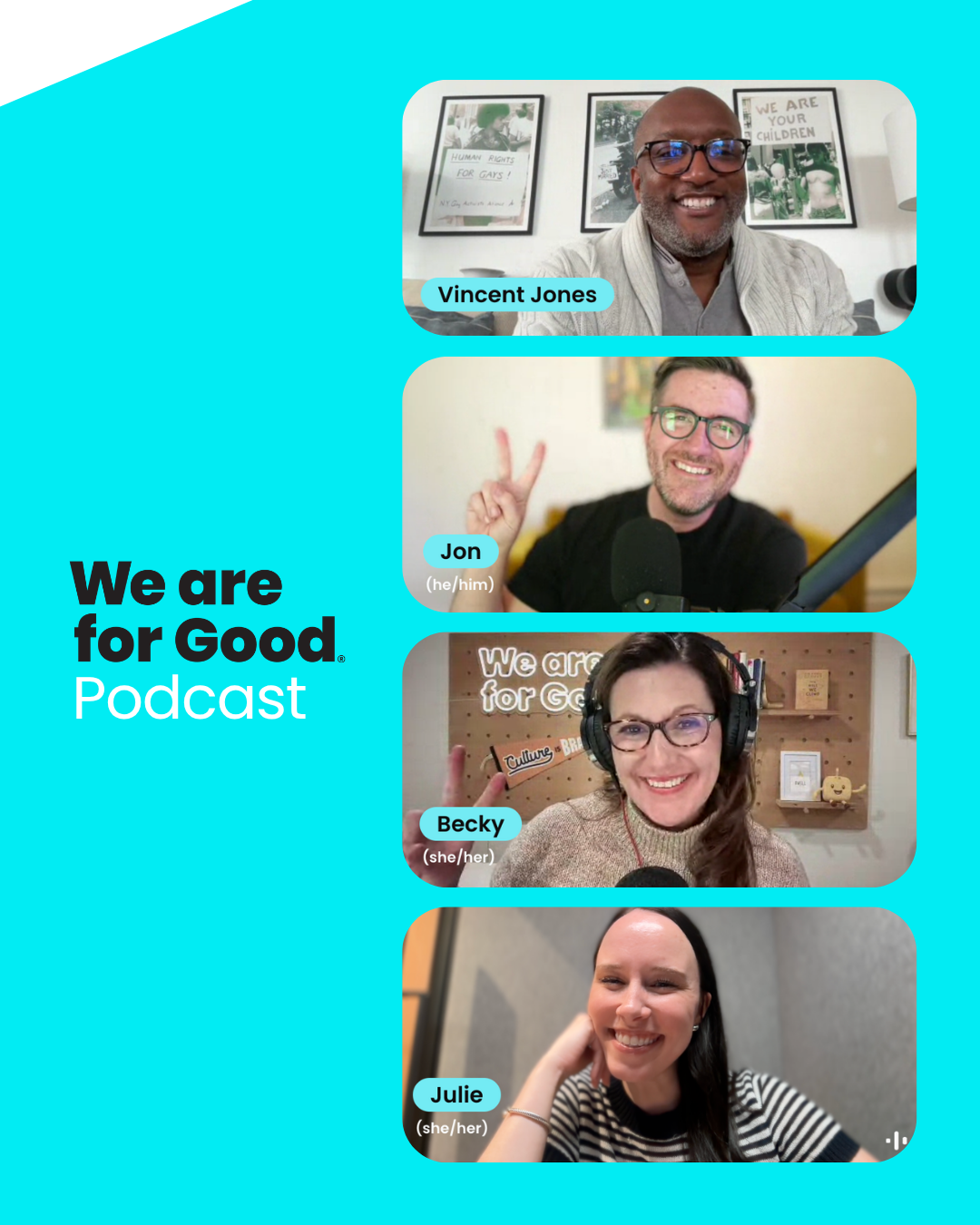
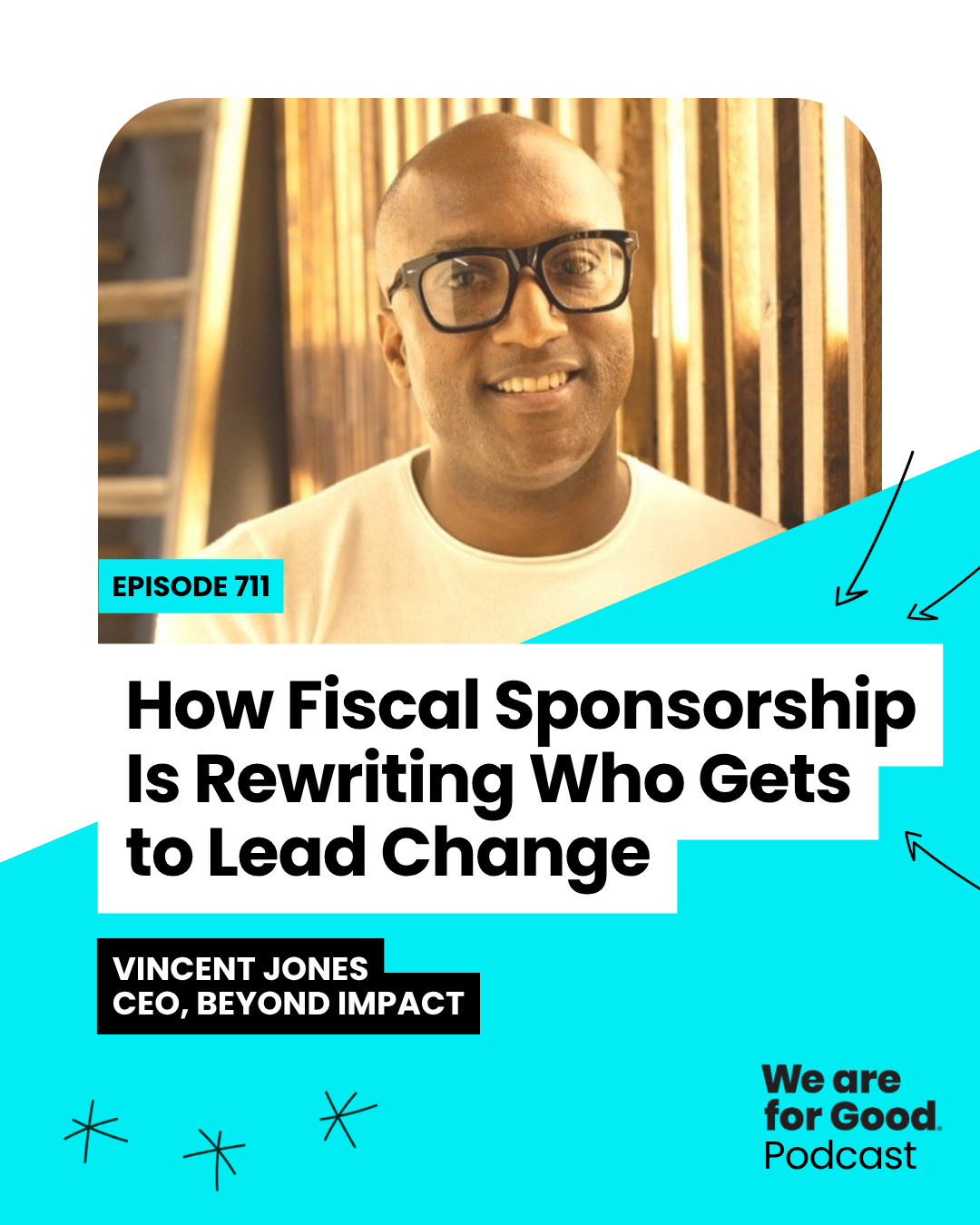
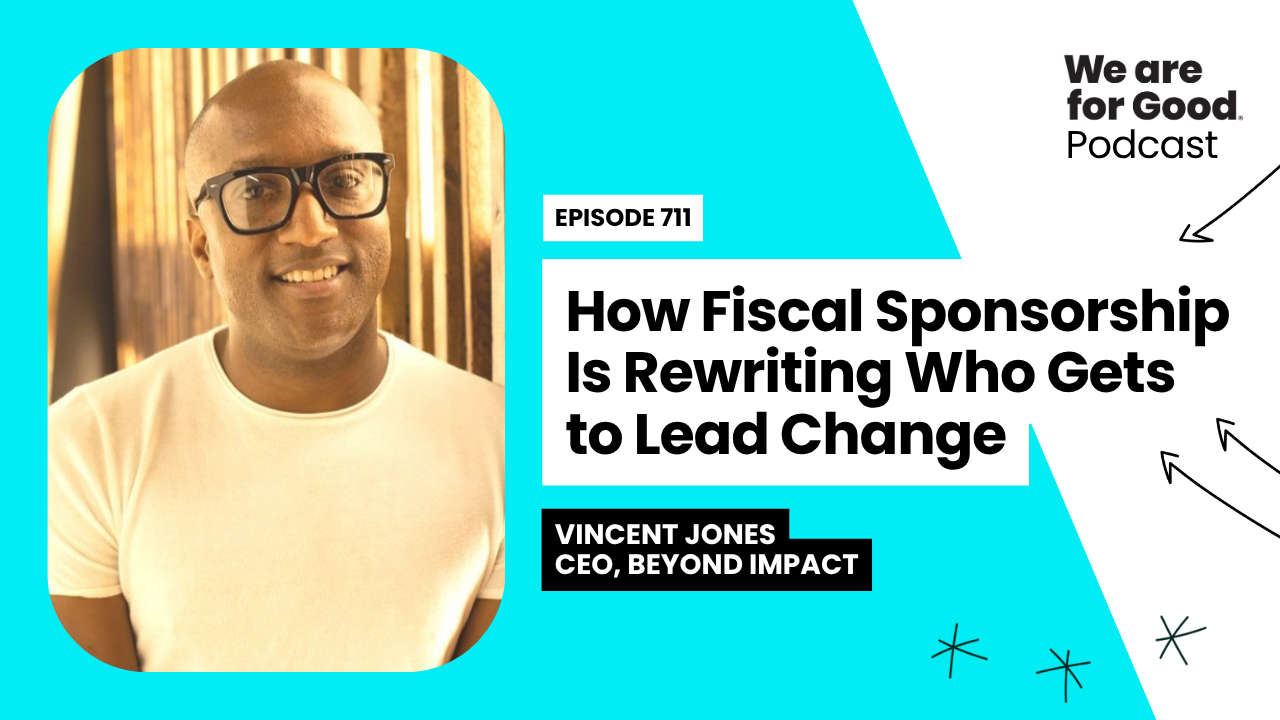
711. How Fiscal Sponsorship Is Rewriting Who Gets to Lead Change - Vincent Jones
Listen to this episode

About This Episode
What does it actually mean to fund community power? Not a one-time grant, not a single big donor relationship, but real, sustained infrastructure for the leaders closest to the problems. Vincent Jones has spent three decades figuring that out.
Meet Vincent Jones 👋 He is the CEO of Beyond Impact, formerly known as Tides Advocacy, a national 501(c)(4) intermediary that serves as fiscal sponsor, funder, and convener for more than 90 projects across 20 states. Beyond Impact sits at the part of philanthropic infrastructure most nonprofit conversations never reach: what happens when giving goes beyond foundations to include how communities build power, influence policy, and drive long-term structural change.
In this episode, you'll hear:
Why philanthropy's current funding structure is a design failure and what a better model actually looks like
What fiscal sponsorship is (explained simply), and why it's the infrastructure that lets community leaders focus entirely on the work
A moment of generosity that changed how Vincent sees his own worth, and what he wants every listener who has ever doubted themselves to hear
Episode Highlights:
Meet Vincent Jones (2:09)
Why philanthropy's funding structure is a design failure (6:12)
Democratizing donors: the Uplifting Change Initiative at Liberty Hill (7:20)
The real cost of last-minute, cycle-based funding (10:24)
What fiscal sponsorship actually means (12:22)
Beyond Impact's 90+ projects (13:16)
A moment of philanthropy that changed Vincent's life (20:45)
One good thing: "Do good, have fun, and help others do the same." (25:11)
Meet Vincent: The Architect Rebuilding How Community Power Gets Funded
Vincent Jones is the CEO of Beyond Impact, formerly known as Tides Advocacy, a national 501(c)(4) intermediary that serves as a fiscal sponsor, funder, and convener for more than 90 projects across 20 states. Vincent came up through city council politics in New York, Senator Barbara Boxer's Senate office, and grassroots foundation work at the Liberty Hill Foundation in Southern California, where he built the Uplifting Change Initiative to dramatically expand the number of Black donors investing in social change organizing. He later consulted for the California Endowment, California Community Foundation, and the Obama White House before stepping into the CEO role at Beyond Impact. His grandmother, Viola Clark, taught him community at the kitchen table. He has been building it at scale ever since.
Powerful Quotes
"We have to put more energy into democratizing donors, so any one donor does not have an outsized influence on their work." -Vincent
"If you're a leader and you see a problem in your community, all you have to focus on is doing the work to make your community better. We become your lawyers, your accountants, your HR." -Vincent
"I sat there and I said, 'I belong here.' And I know I opened the door for other non-traditional board members." -Vincent
"The next three election cycles will really determine whether we allow our administration to have that kind of control over congressionally allocated resources." -Vincent
"Do good, have fun, and help others do the same." -Vincent
Resources Mentioned
Beyond Impact — National 501(c)(4) fiscal sponsor and funder for organizations building community power across 20 states — beyondimpact.org
Beyond Impact on Instagram and TikTok — @beyondimpact.org
Liberty Hill Foundation — Southern California foundation funding grassroots organizing — libertyhill.org
Come join us in the We Are For Good Community!
Join fellow changemakers, share takeaways from this episode, and keep collaborating in a space built for connection, inspiration, and real impact: www.weareforgoodcommunity.com
Say hi👇
LinkedIn / Instagram / Facebook / YouTube